Published on 2026-10-14 · Suzhou Industrial Park Gulin Commerce Co., Ltd.
As autumn turns to winter, many property, factory and supermarket customers report: why is the scrubber dryer running out of power faster? Why does the battery drop a bar right after morning startup? Why do brushes turn slowly and the squeegee suction feel weak? Most of these problems are not machine failures but normal reactions of batteries and water circuits to low temperatures. Let's explain the most common battery and water circuit problems in winter use of KARCHER, NILFISK and other commercial scrubber dryers at once.
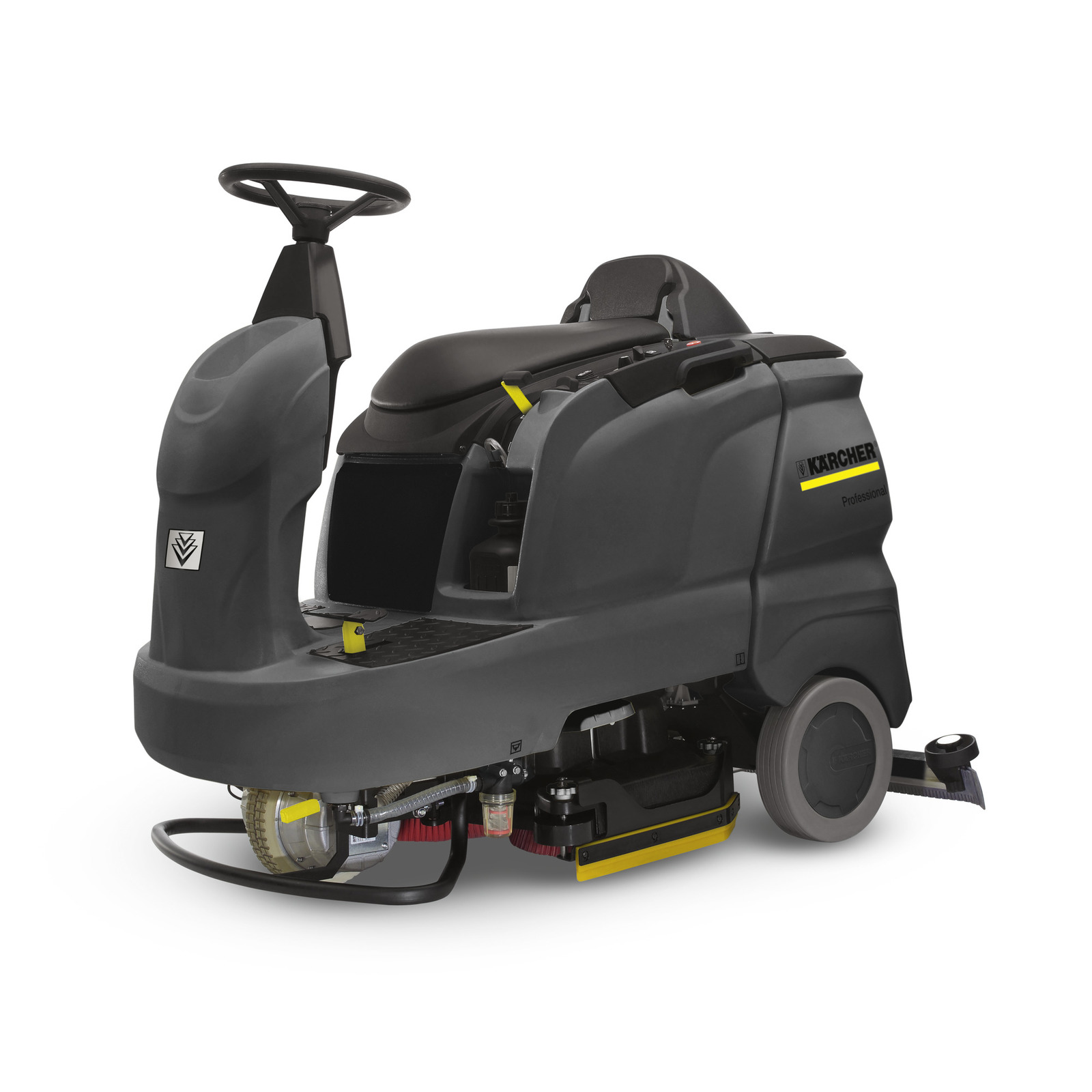
Whether lithium or lead-acid, low temperatures slow the internal chemical reactions of batteries and increase internal resistance. When ambient temperature falls below 5°C, the same fully charged battery can typically only discharge 70%-80% of its room-temperature capacity. If the machine is parked overnight in an unheated garage or workshop, the battery is cold the next morning and power drops even more noticeably. This is not battery aging; it is a physical characteristic.
| Ambient Temperature | Runtime Performance | Recommendation |
|---|---|---|
| 15-30°C | Full capacity, normal runtime | Standard operating temperature range |
| 5-15°C | About 85-90% of runtime | Normal use; recovers as battery warms |
| 0-5°C | About 70-80% of runtime | Warm the battery before work; avoid charging when cold |
| Below 0°C | Markedly shorter runtime, prone to error alerts | Operate indoors if possible; warm machine before charging |
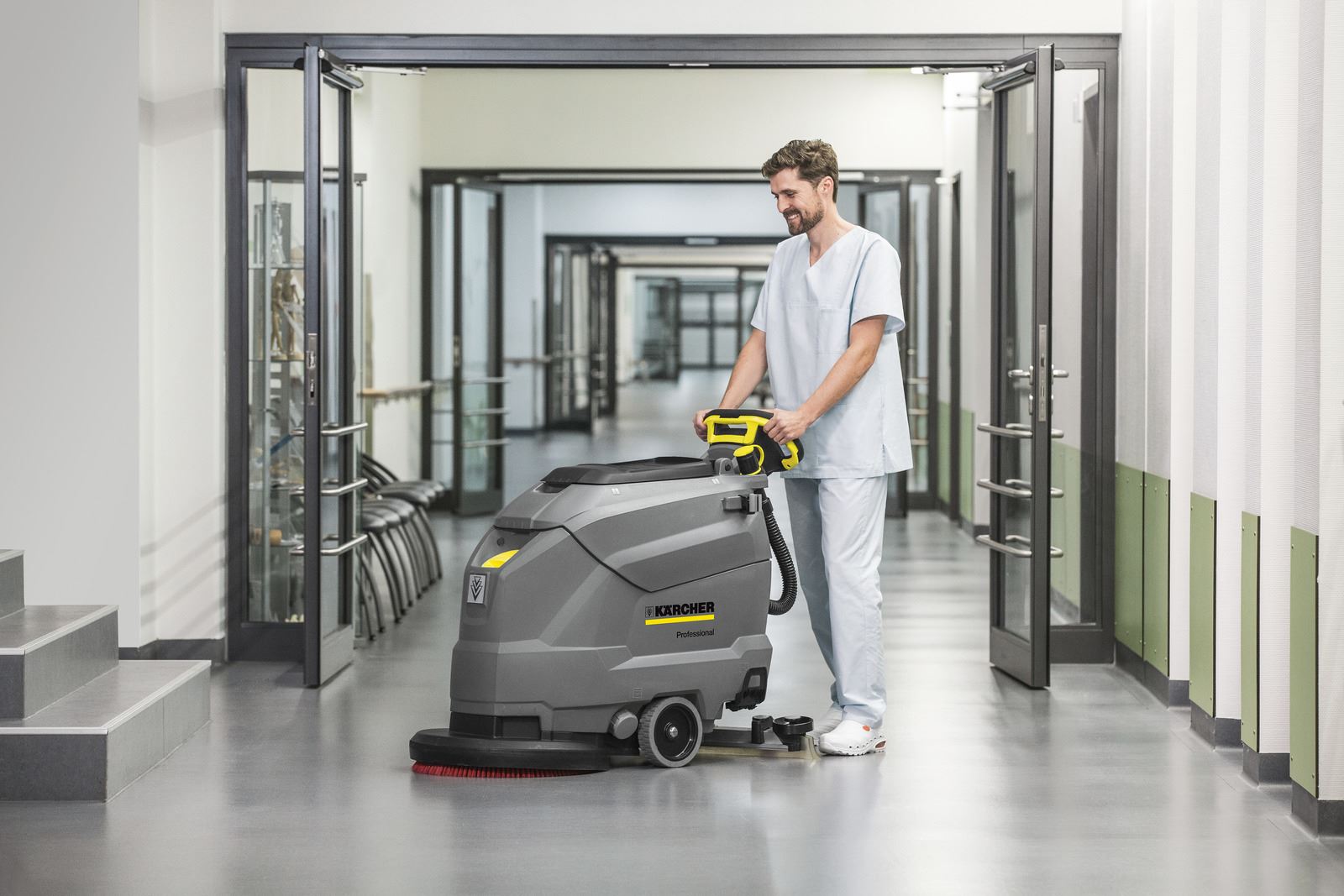
Battery problems are easy to understand; frozen water circuits are the most overlooked winter problem and the easiest way to freeze and damage a scrubber dryer:
Reduced winter runtime is normal. If the work area is large and one battery cannot cover it, combine three approaches: first, plan routes reasonably to clean each area thoroughly in one pass and reduce repeated passes; second, keep a spare battery for rotation, as most ride-on scrubber dryers support quick battery exchange; third, keep the charger indoors and immediately charge the swapped battery during breaks so it is ready for the afternoon.
When a scrubber dryer fails in winter, nine times out of ten it is one of three things: a cold battery, frozen tanks or hard squeegee blades. Gulin Commerce specializes in KARCHER, NILFISK and other brand commercial scrubber dryers, sweepers and vacuum cleaners, providing one-stop support from selection, quotation to after-sales maintenance. If the machine shows a sudden runtime drop, squeegee not picking up water, or abnormal tank noise this winter, first check against the points above; if unresolved, call us anytime at 0512-68114680.
